
What Is Spiritual Sadhana? Understanding the Path of Consistent Spiritual Practice

Spiritual growth is not always about attending a retreat, learning a new technique or searching for a particular experience. Often, it begins with something much simpler: making time for a regular spiritual practice.
Spiritual Sadhana is a dedicated approach to spiritual development that brings together intention, discipline, and consistent practice. Through meditation, Kriya Yoga, pranayama, mantra, and contemplation, Sadhana creates an opportunity to deepen self-awareness and bring spiritual teachings into everyday life.
But what does spiritual Sadhana actually involve? Why is consistency important, and how can you begin developing a practice that feels meaningful and sustainable?
Quick Summary
Spiritual Sadhana refers to a dedicated spiritual practice undertaken with intention and consistency. It may include meditation, Kriya Yoga, pranayama, mantra and contemplation, depending on an individual's tradition and guidance. Rather than focusing on occasional spiritual experiences, Sadhana encourages regular practice and a deeper understanding of spiritual teachings. With appropriate guidance, it can become an integral part of everyday life.
What Is Spiritual Sadhana?
The word Sadhana refers to a disciplined spiritual practice undertaken with intention and commitment.
In Indian spiritual traditions, Sadhana can take different forms depending on the practitioner's path, teachings and guidance. It may involve meditation, mantra, breathwork, Kriya Yoga, prayer or contemplation.
However, spiritual Sadhana is not simply about completing a set of techniques every day. It is about developing a relationship with your practice and gradually bringing greater awareness into the way you live.
The emphasis is on consistency, understanding and sincere engagement rather than achieving a particular result.
Why Is Consistency Important in Spiritual Practice?
A spiritual practice becomes meaningful through regular engagement.
Practising meditation once in a while can introduce you to stillness, but developing a consistent routine creates more opportunities to observe your thoughts, understand your patterns and deepen your awareness.
Consistency can help you:
Develop discipline and commitment.
Create dedicated time for meditation and reflection.
Become more aware of your thoughts and reactions.
Build a stronger relationship with your spiritual teachings.
Bring greater intention into everyday activities.
Sadhana does not need to involve long hours of practice. Beginning with a manageable routine and gradually developing it can be more sustainable.
What Does Spiritual Sadhana Involve?
Spiritual Sadhana can include different practices depending on the tradition. At School of Dharma, the approach brings together several complementary paths.
Kriya Yoga: A Path of Practice
Kriya Yoga offers a structured approach to spiritual practice through techniques involving breath, meditation and awareness.
At School of Dharma, Himalayan Kriya Yoga forms an important part of the teachings, with an emphasis on developing a regular and meaningful practice.
Meditation: Developing Inner Awareness
Meditation creates space to observe the mind, develop concentration and cultivate stillness.
With regular practice, it can become an opportunity to understand your inner experiences without constantly reacting to them.
Pranayama: Working with the Breath
Pranayama involves working consciously with the breath through traditional yogic techniques.
It can form an important part of a wider Sadhana, helping practitioners develop greater attention and a more intentional relationship with their breathing.
Mantra: Bringing Attention to Practice
Mantra is used in various Indian spiritual traditions as part of meditation and contemplative practice.
Depending on the tradition and guidance, mantra can provide a focused element within a practitioner's daily Sadhana.
How Can You Begin a Daily Spiritual Sadhana?
You do not necessarily need years of experience to begin developing a spiritual practice.
For beginners, a simple and consistent approach can provide a useful foundation.
Consider these steps:
Create dedicated time: Choose a realistic time for your daily practice.
Begin with guidance: Explore introductory meditation or breath awareness with an appropriate teacher.
Keep your routine manageable: Start with practices you can maintain rather than attempting too much at once.
Understand the teachings: Learn the purpose behind the techniques you practise.
Stay consistent: Allow your practice to develop gradually through regular engagement.
The purpose is not to follow a perfect routine. It is to create a meaningful relationship with your spiritual practice.
Can You Practise Spiritual Sadhana Online?
Yes. Online guided practices can make spiritual learning more accessible, particularly for people who cannot regularly attend in-person sessions.
Online Sadhana can provide opportunities to explore Kriya Yoga, meditation, pranayama and mantra from home while receiving guidance from experienced practitioners.
However, the type of instruction matters. Some practices can be explored through general guided sessions, while others may require more personal guidance or initiation.
Choosing an appropriate starting point can help you develop your practice with greater understanding and care.
Spiritual Sadhana at School of Dharma
At School of Dharma, spiritual Sadhana is approached as an ongoing journey of practice, study and integration.
Rooted in Himalayan Kriya Yoga, Vedic and Tantric traditions, the School brings together meditation, Jyotish, mantra and sacred studies as complementary paths of learning and practice.
Through the Practice offerings at School of Dharma, practitioners can explore different ways to develop a regular Sadhana.
These include:
Cosmic Mentorship: A weekly live online practice with Ritika combining Jyotish wisdom, Kriya Yoga, meditation and conscious practice.
Online Practices: Free guided Kriya sets with Ritika and Eran, including Kriya Yoga, pranayama, meditation and mantra. Available online for all levels.
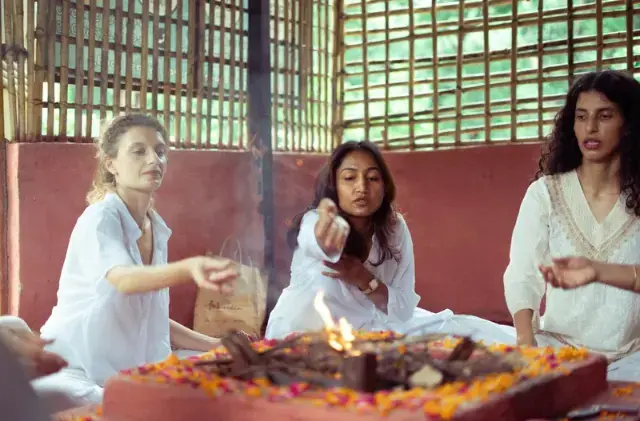
Whether you are beginning your spiritual journey or looking to deepen an existing practice, these offerings provide different ways to engage with spiritual teachings.
You can also explore School of Dharma to learn more about its teachings, programs, retreats and wider approach to spiritual development.
Frequently Asked Questions
What is the meaning of spiritual Sadhana?
Spiritual Sadhana refers to a dedicated spiritual practice undertaken with intention and consistency. It may include meditation, Kriya Yoga, pranayama, mantra and contemplation.
How do I start a daily Sadhana practice?
Begin with a manageable routine, such as guided meditation or breath awareness. Learning from an appropriate teacher and practising consistently can help you develop a stronger foundation.
Can beginners practise spiritual Sadhana?
Yes. Beginners can start with introductory meditation, breathwork and guided practices. The techniques should be appropriate to their experience and level of preparation.
What is the difference between meditation and Sadhana?
Meditation is one practice that can form part of Sadhana. Sadhana is a broader spiritual discipline that may include meditation, mantra, pranayama, Kriya Yoga and other practices.
Can I practise Sadhana online?
Yes. Online guided practices provide opportunities to explore meditation, Kriya Yoga, pranayama and mantra from home. Some advanced practices may require more specific instruction.
What is the role of Kriya Yoga in spiritual Sadhana?
Kriya Yoga is one approach to spiritual practice that involves techniques associated with breath, meditation and awareness. Within a wider Sadhana, it can provide a structured way to engage with spiritual discipline.
Make Spiritual Practice Part of Everyday Life
Spiritual Sadhana is not about how many techniques you learn or how much time you spend practising. It is about developing a consistent relationship with your spiritual path.
Through Kriya Yoga, meditation, pranayama and mantra, you can create space for greater awareness, reflection and understanding.
A meaningful spiritual practice is not built in a single day. It develops through the willingness to return to practice, one day at a time.
If you are ready to develop a more regular spiritual practice, explore the Practice offerings at School of Dharma.
Written & Reviewed by Ritika
Ritika is a Himalayan-trained Kriya Yoga teacher, Jyotishi and meditation guide with more than 20 years of engagement with Vedic, Tantric, meditation and spiritual paths.
Her teachings bring together Kriya Yoga, meditation, Jyotish, mantra, Vedic philosophy and Goddess traditions, with an emphasis on integrating spiritual practice into everyday life.


Comments