
How to Choose the Right Meditation Course in Australia for Your Spiritual Journey

Meditation has become increasingly accessible. There are apps, videos, short workshops, weekend retreats, and online classes promising everything from better focus to deeper spiritual awareness. With so many choices, finding the right meditation course can be surprisingly difficult.
The best course is not necessarily the one with the most techniques or the biggest promise. It is the one that matches your experience, intention and willingness to develop a consistent practice.
For those looking for a meditation course Australia, understanding what a genuine course should offer can help you make a more informed decision.
Quick Summary
Choosing a meditation course is about finding the right combination of guidance, tradition, teaching approach and ongoing practice. A good course should explain what you will learn, who it is designed for and how the practice continues beyond the sessions. Depending on your goals, you may want a beginner-friendly introduction, traditional meditation initiation, Kriya-based practice or a more immersive spiritual program.
What Should You Look for in a Meditation Course?
Before enrolling, start with a simple question:
What do I actually want from meditation?
You may want to reduce everyday mental distraction, establish a regular practice, explore traditional meditation, deepen an existing practice or understand meditation within a broader spiritual tradition.
Your answer matters because not every meditation course teaches the same thing.
Some courses focus mainly on relaxation and stress management. Others teach concentration or mindfulness techniques. Traditional systems may place meditation within a wider framework involving breath, mantra, philosophy and spiritual practice.
Knowing the difference can help you choose a course that matches your intention.
A Meditation Course Should Teach More Than a Technique
A short guided meditation can be useful, but learning meditation is different from simply following someone else's instructions for ten minutes.
A structured meditation course should help you understand:
How the practice is performed
How to develop consistency
What to do when the mind becomes distracted
How breath and attention relate to meditation
How to approach practice without forcing an experience
How the practice can become part of everyday life
The aim should be to help you become more independent in your practice over time.
Should You Choose a Traditional or Modern Meditation Course Australia?
There is no single meditation method that is right for everyone.
Modern mindfulness-based programs may suit someone primarily looking for practical tools for everyday awareness. A traditional meditation course may appeal more to someone who wants to understand meditation within a particular lineage and spiritual framework.
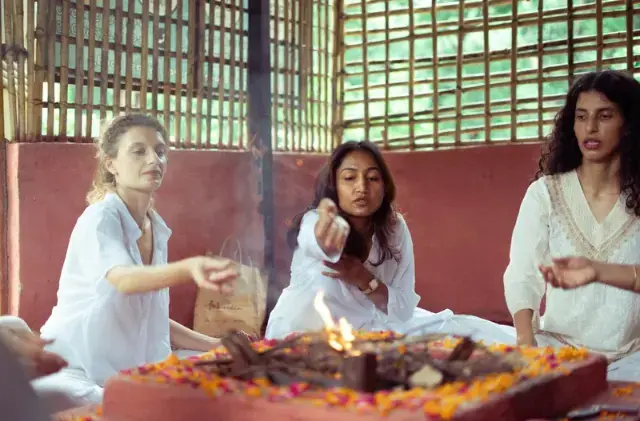
School of Dharma approaches meditation within the broader Himalayan and Vedic traditions, alongside Kriya Yoga, pranayama, mantra and yogic philosophy. This means meditation is presented as part of a connected path of practice rather than as an isolated technique.
Meditation and Kriya: Are They the Same?
Meditation and Kriya Yoga are closely connected, but they are not interchangeable terms.
Meditation can describe many different practices involving attention, awareness, concentration or contemplation.
Kriya Yoga is a broader yogic path that can include meditation together with breath-based practices, mantra, awareness and other traditional disciplines.
At School of Dharma, these practices are taught as complementary aspects of a broader spiritual path. The school offers guided Kriya, pranayama, meditation and mantra practices online, alongside more structured programs and personal guidance.
Understanding this distinction can help you choose a meditation course in Australia that genuinely matches the type of practice you are looking for.
What Makes a Meditation Course Suitable for Beginners?
If you are new to meditation, you do not necessarily need an advanced spiritual program.
Look for a course that clearly explains:
Whether previous experience is required
What the first stage of practice involves
How much time you need to commit
Whether you receive personal guidance
Whether there is support after the course
How you can continue practising independently

A good beginner pathway should provide enough structure to build confidence without making the practice unnecessarily complicated.
Why Guidance Matters When Learning Meditation
Meditation can look simple from the outside, but developing a consistent practice can be challenging.
Questions often arise:
Am I doing this correctly? What should I do when my mind keeps wandering? Should I control my breathing? How long should I practise?
Having an experienced teacher can help provide context and prevent beginners from constantly changing techniques without giving any one approach enough time to develop.
Traditional meditation training can also include teachings that are difficult to understand through apps or recorded videos alone.
Meditation Initiation at School of Dharma
For people who want to move beyond general meditation classes, School of Dharma offers Meditation Initiation with Ritika.
The offering is based on a Kriya- and mantra-based meditation technique from the Yog Vedantic tradition. It is taught over three days and includes an introduction to the underlying approach, initiation into Kriya 1, personalised mantra initiation and guided practice sessions. Follow-up support is also included.
This makes it different from simply attending a one-off guided meditation session.
The intention is to establish a practice that can continue beyond the initial training.
Can You Learn Meditation Online?
Yes. An online meditation course in Australia can be a practical option for people who cannot attend in person or prefer learning from home.
School of Dharma offers online practices including Kriya, pranayama, meditation and mantra, while some personal offerings with Ritika are also available online.
However, online does not automatically mean better or worse. Consider whether the program provides live guidance, clear instruction and an appropriate pathway for continued practice.
How to Choose the Right Meditation Path for You
Before choosing a course, consider where you are now and where you want your practice to lead.
If you are completely new: look for a clear foundational program.
If you already meditate: consider whether you need deeper structure, traditional guidance or a more disciplined approach.
If you are interested in Kriya: look for teaching rooted in a clearly explained lineage.
If you want ongoing spiritual development: consider whether the school offers mentorship, retreats or further study beyond the initial course.
School of Dharma provides several pathways, including meditation initiation, online Kriya and meditation practices, mentorship, retreats and advanced studies.
Frequently Asked Questions
What should I look for in a meditation course?
Look for clear instruction, experienced teachers, an appropriate level for your experience and a realistic pathway for continuing your practice after the course.
Is a meditation course suitable for beginners?
Yes. Beginners can benefit from structured guidance, particularly when the course clearly explains the practice and provides support while they develop consistency.
What is the difference between meditation and Kriya Yoga?
Meditation refers to a broad range of practices involving attention and awareness, while Kriya Yoga is a broader yogic system that may incorporate meditation, breathwork, mantra and other traditional practices.
Can I learn meditation online?
Yes. Online meditation programs can provide access to guided practice from home. The quality of the teaching, level of guidance and ongoing support are important factors to consider.
How long does it take to learn meditation?
There is no universal timeframe. Learning a technique can happen relatively quickly, but developing a stable and meaningful meditation practice takes consistency and continued practice.
Begin Your Meditation Practice
The right meditation course should give you more than something to do for a few minutes each day. It should help you understand the practice, develop consistency and, if you are drawn to a deeper path, explore meditation within a meaningful spiritual tradition.
If you are looking for a meditation course in Australia rooted in Himalayan and Vedic traditions, explore the meditation and Kriya pathways available through School of Dharma.
Written & Reviewed by Ritika
Ritika is a founding teacher at School of Dharma, with training and long-term practice in Himalayan Kriya Yoga, meditation, Jyotish, mantra and Tantric studies. Her work brings traditional teachings into structured practices designed for people at different stages of their spiritual journey.


Comments